
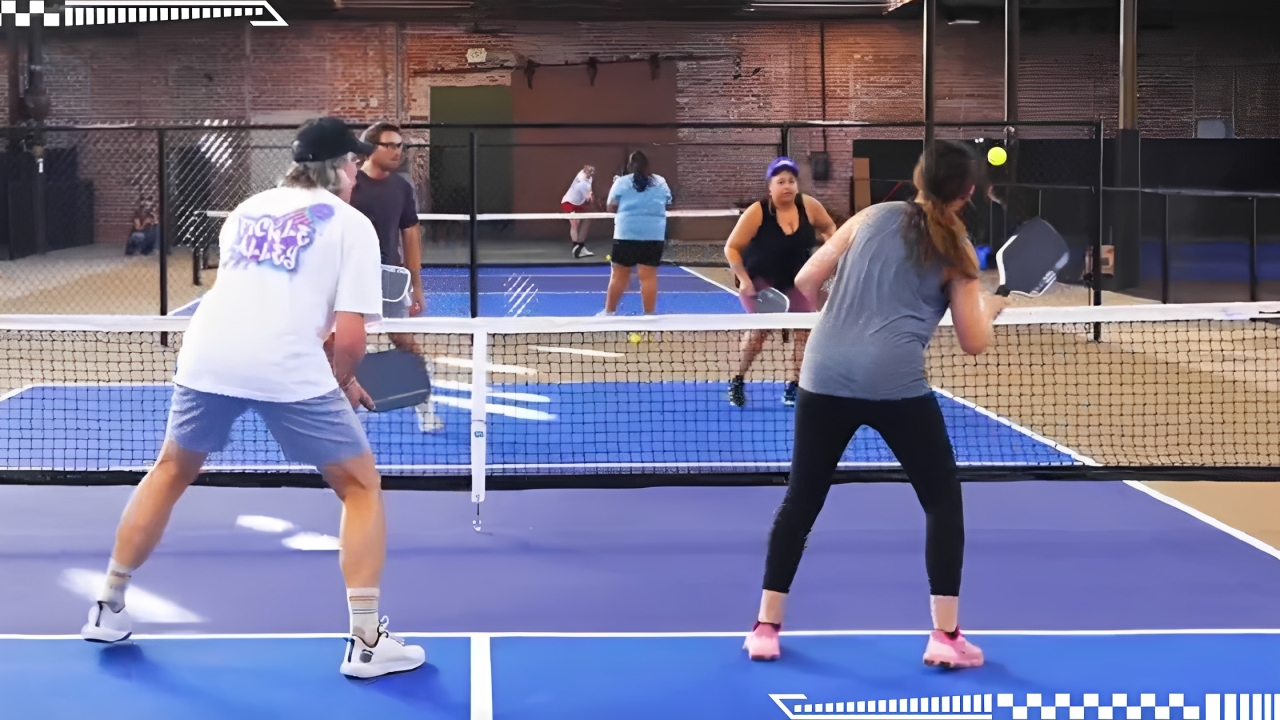

“This article explains how scheduled pickleball sessions help players save time and reduce waiting by organizing court access. It highlights the benefits of structured play for indoor and outdoor courts, fair rotation, smoother flow, and a more enjoyable pickleball experience.”
Pickleball has become part of everyday life for many people. Players fit games into early mornings, lunch breaks, evenings, and weekends. As the sport grows, courts are busier than ever. One of the most common frustrations players face is not the game itself, but the time spent waiting to play.
Standing around for long periods, unsure when the next game will start, can take the fun out of pickleball. This is why pickleball scheduling has become increasingly important. When sessions are planned, players can enjoy the game without wasting time or dealing with uncertainty.
Why Unscheduled Play Often Leads to Frustration
Open play sounds simple. You arrive, wait your turn, and rotate in when a court opens up. In reality, this system rarely runs smoothly during busy hours. Some games last longer than expected. Groups arrive together and slow rotation. Others leave midway, disrupting the flow.
Players may wait longer than they actually play. This can be especially frustrating for people who have limited time. Instead of enjoying a full session, they may only get a few short games before needing to leave.
Outdoor courts can feel even more crowded. Popular locations attract players from many areas, and without structure, confusion becomes common.
What Pickleball Scheduling Looks Like in Practice
Pickleball scheduling simply means assigning specific time slots for play. Players reserve a session and know exactly when they will be on the court. Sessions may be open play, skill based, instructional, or private.
Each session has clear boundaries. It starts on time and ends on time. Players understand how rotation works and what level of play to expect. This clarity removes guesswork and helps everyone relax and focus on the game.
How Scheduling Helps Players Save Time
Time is one of the biggest reasons players choose scheduled sessions. Instead of arriving early to secure a spot, players show up knowing they will play.
There is no standing around wondering when a court will open. Games rotate smoothly, and players stay active throughout the session. This makes pickleball easier to fit into a busy schedule.
Knowing the session length also helps with planning. Players can leave on time without feeling rushed or disappointed.
Fewer Delays and Better Court Flow
Long waits often happen because too many players try to use too few courts at the same time. Scheduling helps prevent this by limiting how many players join each session.
With fewer people waiting, rotation stays fair. Everyone gets a reasonable amount of court time. Disagreements over turns are rare because expectations are clear from the start.
This structure is especially helpful at pickleball courts in Los Angeles, where demand is consistently high and space is limited.
How Indoor Pickleball Los Angeles Benefits From Scheduling
Indoor pickleball in Los Angeles locations often deals with heavy traffic. Indoor courts are shared spaces, and demand stays steady regardless of the weather.
Scheduled sessions help manage this pressure. Facilities can control crowd size and offer different time slots throughout the day. Players move in and out smoothly, keeping the environment calm and organized.
Scheduling also allows indoor facilities to offer sessions tailored to different needs. Beginners can play comfortably. Competitive players can enjoy faster paced games. Everyone benefits from a clear structure.
Why Outdoor Pickleball Courts Also Need Structure
Outdoor pickleball courts are popular because of their open feel and relaxed atmosphere. However, popularity often brings crowding, especially during evenings and weekends.
Scheduling helps outdoor courts avoid chaos during peak times. Players no longer arrive only to find all courts full. Groups can plan their play without worrying about long waits or conflicts.
Even simple scheduling systems can greatly improve outdoor play and reduce tension between players.
Making Group Play and Events Easier

Pickleball is often played socially. Friends want to stay together. Coworkers plan outings. Families enjoy playing as a group.
Scheduling makes this easy. Groups can reserve time without disrupting other players. Everyone knows when they will play and for how long.
Lessons and clinics also benefit from scheduling. Instructors can focus on teaching instead of managing crowded courts. Players learn more and feel more comfortable asking questions.
Creating Fair and Balanced Play
One challenge of open play is mixing very different skill levels. Beginners may feel overwhelmed. Advanced players may feel restricted.
Scheduled sessions often group players by level or play style. This creates better matches and a more enjoyable experience for everyone. Players improve faster when games feel balanced and competitive in the right way.
Fair access also improves. No one controls the courts, and everyone gets an equal chance to play.
Benefits for Facilities and the Community
Facilities that use scheduling find it easier to manage courts. Staff spend less time solving disputes and more time supporting players.
Courts are used more efficiently. Maintenance and cleaning can be planned properly. Facilities can also learn which times are busiest and adjust sessions accordingly.
Communities benefit too. Organized play creates a welcoming atmosphere and encourages players to return regularly.
Choosing the Right Scheduled Session
Not all sessions suit every player. Some people prefer short sessions during quieter hours. Others enjoy longer evening play.
Indoor and outdoor options may differ based on weather, court type, and availability. Looking at session size, time length, and play style helps players choose what works best.
Booking ahead and avoiding peak hours can further reduce stress and waiting.
Why Scheduling Is Becoming the Preferred Way to Play
As pickleball continues to grow, scheduling is becoming more common. Busy cities need structure to keep the sport enjoyable.
In a city like Los Angeles, where interest in pickleball continues to grow, understanding why Los Angeles is ideal for pickleball and how to choose your first class helps explain why structured, scheduled play is becoming the preferred option for many players.
Players want reliability. Facilities need order. Scheduled sessions provide both. This shift reflects how pickleball has evolved from a casual pastime into a well-organized sport.
Conclusion
Scheduled pickleball sessions make play more efficient by reducing waiting, improving fairness, and creating predictable court time. With better organization, players spend less time standing around and more time enjoying the game, whether playing indoors or outdoors in busy areas.