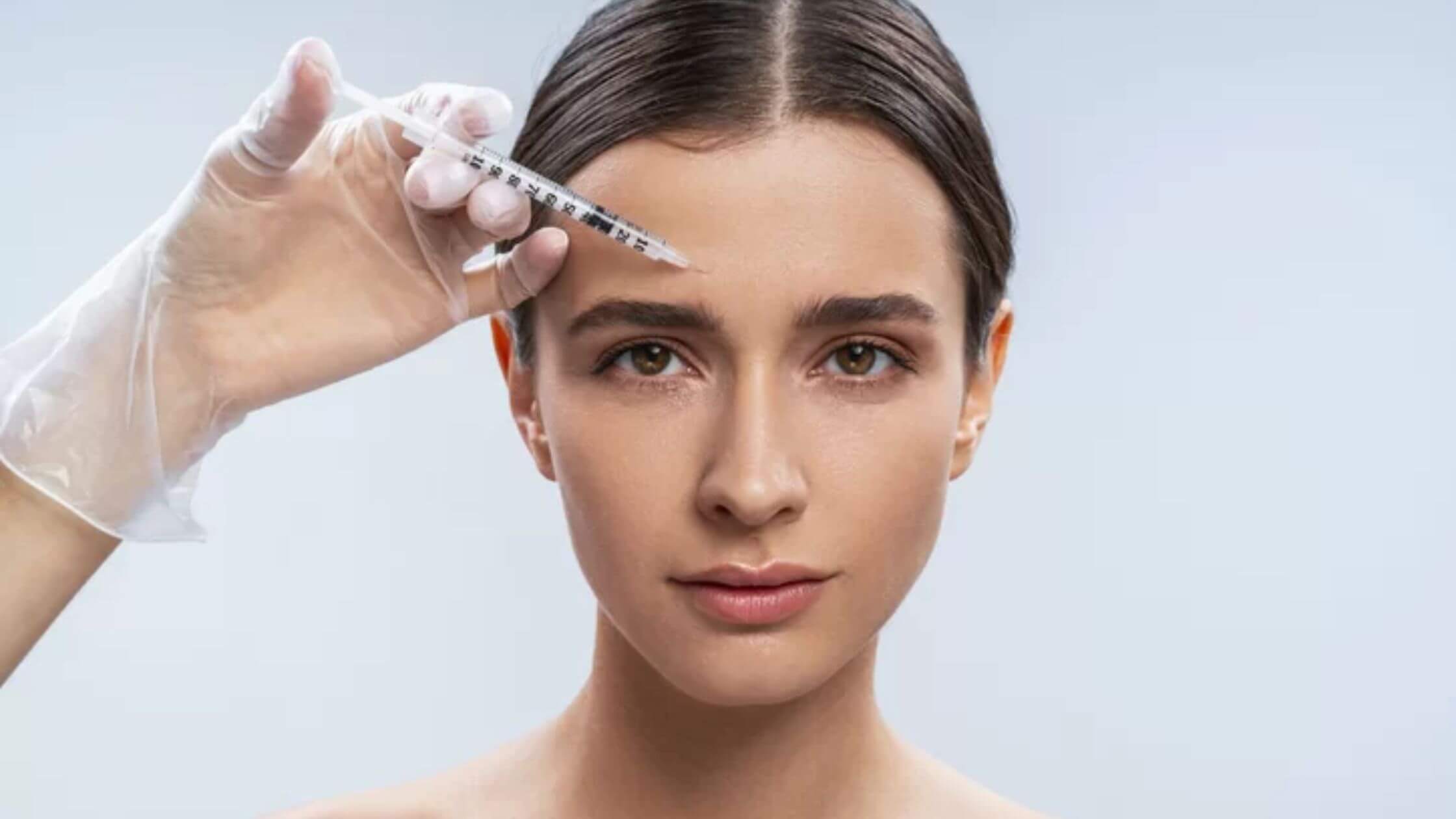

“This article explains how proper Botox aftercare supports smooth, natural results. It covers what to do and avoid after treatment, skincare guidance, lifestyle habits, and recovery timelines to help Upper East Side patients maintain balanced, long lasting Botox outcomes.”
Botox treatments are often seen as quick and simple, but the care that follows plays a major role in how good the results actually look. The injections may take only a few minutes, but the way you treat your skin and facial muscles afterward can influence smoothness, balance, and how long the effects last.
For people choosing Botox in UES, aftercare matters even more because most patients want subtle, polished results that fit naturally into a busy lifestyle. In a place like the Upper East Side, looking refreshed without obvious signs of treatment is usually the goal. Understanding what to do and what to avoid after Botox helps make that possible.
How Botox Works Beneath the Skin
Botox relaxes specific facial muscles that create expression lines over time. These muscles are responsible for movements like frowning, squinting, or raising the eyebrows. When they contract less, the skin above them appears smoother and more rested.
The effects do not happen instantly. Botox needs time to settle into the targeted muscles and block the nerve signals that cause repeated movement. This process unfolds gradually, which is why the hours and days after treatment are important. Proper care allows the product to work evenly and predictably.
Why the First Day Is So Important
The first twenty four hours after treatment are when Botox is most vulnerable to shifting. During this period, the medication is still stabilizing. Small habits such as posture, activity level, and how you touch your face can influence the outcome.
Many people feel fine right after injections and assume they can return to normal routines immediately. While most daily activities are safe, a little restraint on the first day helps avoid uneven results and unnecessary touch ups later.
What to Do Right After Botox in UES
Staying upright for several hours after treatment is one of the simplest but most effective aftercare steps. Sitting or standing helps keep Botox where it was placed. Lying flat too soon can increase the chance of the product moving into nearby muscles.
Light facial movement can also be helpful. Natural expressions like smiling or gently lifting the eyebrows encourage Botox to interact with the intended muscles. These movements should feel easy and relaxed, not forced.
Keeping the skin clean is equally important. Avoid touching your face unless necessary. If you apply skincare or makeup later in the day, always start with clean hands and a gentle touch.
Things to Avoid After Botox
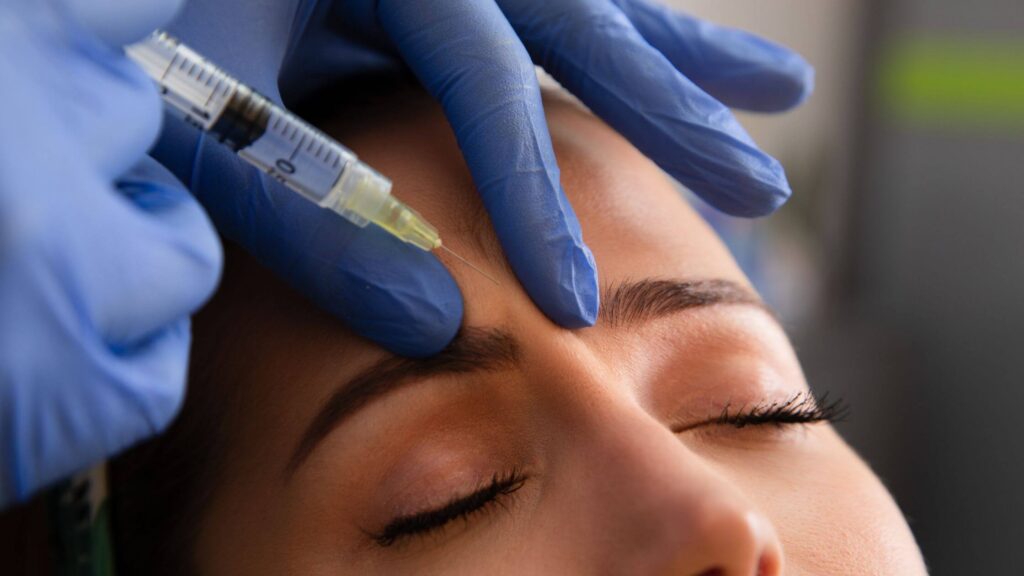
Rubbing or massaging treated areas is one of the most common mistakes. Even gentle pressure can disrupt placement, especially in the forehead or around the eyes. It is best to leave the area alone for at least a full day.
Exercise should also be postponed. Activities that raise your heart rate increase blood flow and muscle movement, which can interfere with how Botox settles. Waiting at least twenty four hours before returning to workouts helps protect your results.
Heat exposure is another factor to consider. Hot showers, steam rooms, saunas, and intense sun exposure can increase swelling and sensitivity. Lukewarm water and calm skin care routines are safer choices early on.
Handling Normal Side Effects
Some redness, swelling, or tenderness around injection sites is normal. Small bumps may appear briefly and usually fade within a few hours. These reactions are temporary and do not affect how Botox works.
If mild bruising develops, a cold compress can help when used gently and briefly. Avoid pressing directly on injection points. Most side effects improve on their own within a few days.
It is also important to remember that early changes do not reflect final results. Botox results continue to develop over several days, so patience is key.
Skincare and Makeup After Upper East Side Botox
Makeup can typically be worn later the same day or the following morning, as long as the skin feels comfortable. The application should be light and careful. Avoid aggressive blending or pressure.
Skincare routines should remain simple for the first day. Gentle cleansers and basic moisturizers are ideal. Strong treatments, exfoliants, or active ingredients can irritate the skin and are best paused briefly.
Calm, well hydrated skin allows Botox to settle without interference and supports a smoother overall appearance.
Daily Habits That Help Results Last
Staying hydrated supports skin elasticity and overall health. While water does not affect Botox directly, healthy skin tends to show better results.
Sleep position also matters, especially the first night. Sleeping on your back reduces pressure on treated areas and helps prevent uneven swelling.
Being aware of facial tension is another helpful habit. Constant frowning, jaw clenching, or squinting can work against the treatment. Relaxing these habits supports more consistent results over time.
How Long Do Botox Results Usually Last
Most people enjoy Botox results for three to four months. Factors such as metabolism, muscle strength and activity level influence how long the effects remain noticeable.
Patients who follow good aftercare often find their results look smoother and more even throughout that time. Consistent care helps Botox perform as expected with each treatment.
Over time, regular sessions may train muscles to relax more easily, which can extend the benefits and reduce the need for frequent treatments.
Returning to Normal Activities
Most daily routines can resume the next day. Work, social plans, and light movement are generally fine after the first twenty four hours.
Facial treatments like massages or facials should be delayed for at least one to two weeks unless advised otherwise. This ensures Botox has fully settled.
Planning treatments with a little extra time before major events allows results to develop naturally and reduces last minute concerns.
When to Reach Out to Your Provider
If something feels off after two weeks, such as uneven movement or lingering discomfort, it is appropriate to contact your provider. Botox results continue to refine during this period, but professional evaluation can help if adjustments are needed.
Patients may also feel reassured by learning about established Medical aesthetic clinic Botox safety standards, which outline how qualified providers maintain safe injection practices and patient care.
Follow up visits are sometimes part of the process and help ensure results meet expectations.
Conclusion
Botox is not just about the injection. The days that follow play a major role in how refined and natural the results appear. Simple choices such as avoiding pressure, managing activity, and supporting skin recovery make a meaningful difference.
For those choosing Upper East Side Botox, thoughtful aftercare helps treatments blend seamlessly into everyday life while delivering subtle, confident results that look like you on your best day.
Disclaimer
This blog is for informational purposes only and does not replace professional medical advice. Botox treatments and aftercare may vary by individual. Always consult a qualified healthcare provider or licensed professional for personalized guidance, diagnosis, and treatment recommendations.